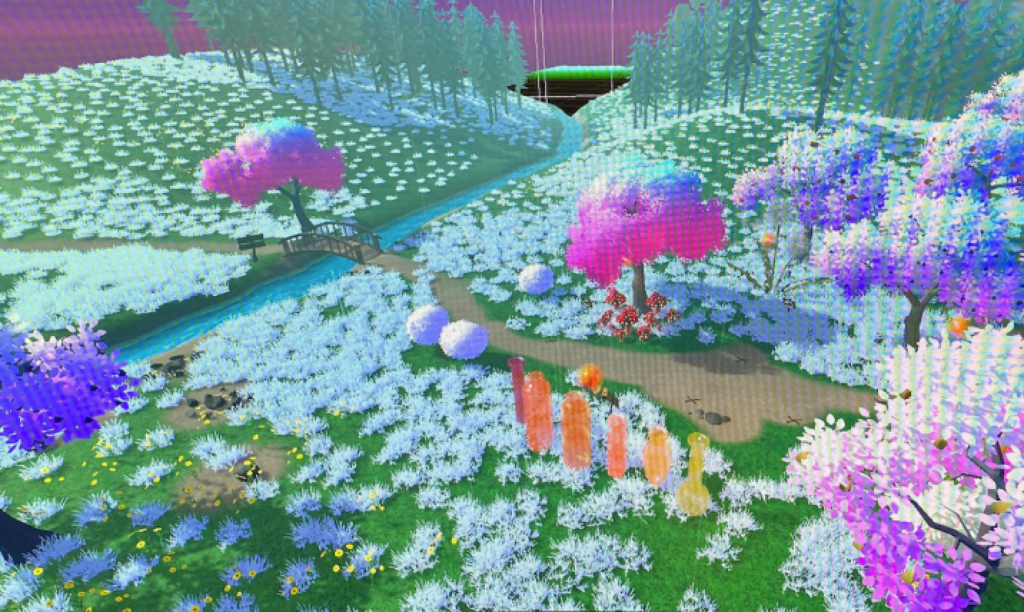
When first introduced to the brief for this project, I knew I wanted it to have links to my final showcase project at the end of the year, and use this time as a trial and error period for testing out interventions within my field. I particularly wanted to explore within the area of Neuroaesthetics and Film, in specific the way audiences respond to Cinematic Virtual reality and question the natural correlation of aesthetic preferences when one is confronted with technological change to traditional art. A major question I had at the beginning was whether audiences now would consume and perceive virtual reality art in the same way audiences in the 1920s responded to their first experiences with cinema back then. I also wanted to explore the ways in which Virtual Reality could be introduced to the “mainstream”, rather than stay within the “experimental” sector, through brand experiences and marketing activations that could use the technology for disruptive new ways to get young (18-25) consumers interested in their brand.

In doing my research I identified several companies already at the forefront of hosting VR- based experiential events, such as Google, Samsung, Whole Foods and Netflix. However, I also found the experiences to be quite similar in nature – the user gets put into a room filled with branding/or the process through which a product is made. It seemed more brand- oriented than user- focused, which to me seemed quite alienating – whereas the use of cinematic virtual reality would help the audience feel more immersed.
I decided to look at the area of mental wellness, and general wellbeing/meditation apps, as they’ve become increasingly popular especially over the pandemic and have been a huge asset to me personally, however I do find a lot of them to be quite homogenous in their approaches and try a “one meditation fits all” approach. This led me to wonder if perhaps a personalised app would be more fitting for the contemporary user- after all we have things like apple watches and fitbits that monitor our individual physical health, why shouldn’t we have access to something that monitors our mental health too?
I also found loads of research that suggested that VR is a super great and super effective tool for anxiety reduction, which you can have a read of by clicking here.
Thus my research question arose: How can cinematic virtual reality technology be implemented into mindfulness practice- based applications in order to provide a tailored experience that is unique to the individual?
After getting feedback from Sasha on my initial presentations, I think I might have been too attached to the idea of ‘cinematic’ virtual reality, rather than exploring VR design through a human- centric lens, just because of my academic background so far and the space that I felt comfortable navigating in. Moving forwards, I think I need to approach the topic with a more user-design geared attitude. I also received the feedback that working with an existing stakeholder in the market such as Headspace, the leading meditation app, may not be a new intervention, but rather just building on a concept that is already tried and tested.
I then decided to combine VR tech with biometric data such as heart rate, as I figured it may be an asset to users with technology like smartwatches, where their body could “tell” them which path in the narrative to choose next, similar to a “choose your own adventure” novel, but a meditation app that could help and track users meditation preferences. I also did a lot of research into VR, heart- rate variability and biofeedback- this was a particularly good study I found- https://www.frontiersin.org/articles/10.3389/fpsyg.2019.02172/full.
Therefore I also adjusted my research question to: How can virtual reality technology combined with biometric data be implemented into mindfulness- based experiences to provide tailored narratives that are unique to the user?
(Note: it’s a bit wordy and definitely needs to be cut down.)
I also had a look at apps that combined mind and body – a common one I found was in Menstrual Cycle tracker apps for women, in which inputting your physical symptoms (eg. cramps, headache, flow, etc.) in conjunction with your emotional symptoms (mood, attentiveness etc.) could result in a good hypothesis on your next cycle, and the consistency of data input into the system could potentially create accurate predictions for each day of your cycle.
POST – PITCH FEEDBACK:
The feedback I received post- pitch was generally positive (the lady from the BBC said I did well, yay!) which I was happy about, though the most important discussions that did arise were;
A) Differentiating between mental health, mental wellbeing, and meditation platforms – I need to choose a specific stream to narrow my focus into as it would be much more feasible to carry out my intervention.
B) Accessibility to equipment during COVID (update: UAL does offer Oculus VR headsets for rental)
C) The fact that I am not a VR game designer and should engage with stakeholders within VR design, but specifically for VR Meditation (most of the ones I had brought up as examples were based in the USA).
Going forward, I definitely need to adapt my project in order to not only create an intervention that makes a change within the wellness industry, but also look at the feasibility of my project.
I also had a look at the Project 6 brief; the content of the first 3 parts of the proposal I’ve pretty much got down pat but it’s the bit of the What If that asks “What are the positive implications and potential if you achieve this mastery? How will this position you (and your stakeholders) at the end of the Course?” that I do feel like I’m stuck on. I know this is a fun project I’m passionate about, but I seem to get a bit of impostor syndrome when it comes to that last part and not really feel like I’m doing anything new (even though the research I’ve done suggests that I am).
I think I really should invest more time into the ‘What If’ of the project going forwards and ask myself why I’m doing it in the first place, and also who it’s really going to help.