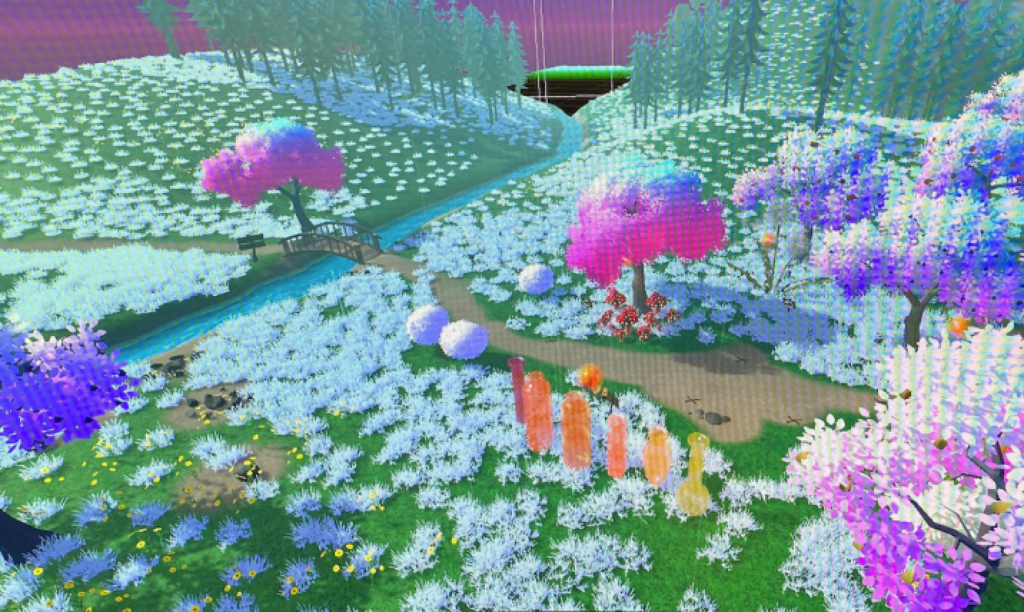
After doing some research into the field of Neuroaesthetics, I have found impressionist theory to be an extremely valuable addition into my intervention. Neuroaesthetics is an innovative but controversial new area of neuroscience research, which has the potential to help us understand the ways our brain responds to art. With neuroimaging technology, current research has been able to bring scientific objectivity to the study of art, and has already given us a better understanding of many masterpieces. The blurred imagery of Impressionist paintings is oseems to stimulate the brain’s amygdala, for instance. Since the amygdala plays a crucial role in our feelings, that finding might explain why many people find these pieces so moving.
Sources:
https://www.irishtimes.com/news/science/brain-finds-pleasure-in-processing-abstract-art-1.528925
https://impulse.appstate.edu/sites/impulse.appstate.edu/files/McClure%20and%20Siegel_0.pdf
https://www.thecrimson.com/article/2017/11/10/neuroaesthetics-cover/
https://www.the-scientist.com/cover-story/neuroaesthetics-37572
Hence the combination of emotion (responses to art stimulated by the amygdala) and memory (abstract environments causing hippocampal cognition to increase) could theoretically be immensely helpful in mindfulness practices, as the user would not only be more emotionally in tune with their mental- wellbeing, but also retain the memory to be in a “mindful” state once the experience is repeated as part of their lifestyle.
I feel as though using impressionist theory is also beneficial as impressionism in fine art is based on the artist’s impression- thus being the “tailored” experience I have been looking for my VR- end users. In terms of positionality, I haven’t seen anything that in the market that focuses specifically on the benefits of impressionist theory for VR- based mindfulness either, and thus this could be a potential space to tap into.
Hence, I have reiterated my research question to:
How can impressionist theory inform naturalistic design choices within abstract artificial environments in Virtual Reality- based mindfulness platforms?
Below is the new timeline I have decided to readjust my schedule to:
(x) = completed
27/08/2021 – /27/ 09/2021
- Deliver a a 1-2 page brief outlining ALL design and narrative (mindfulness) aspects, alongside an updated research question to my team by Friday, 25th Aug. (x)
- Submit Research Report by 31st Aug. (x)
- Exposing intervention to external review – sending it to VR experts/stakeholders and taking their feedback on board. (x)
- Rework updated research question. (x)
- Next meeting as a team on w/c 30th August to establish timeline to start final build of the world and discuss ownership. (meeting on 4th Sept)(x)
- 07/09 Unit 2 Presentation (x)
- Next team meetings on 08/09, 15/09, 22/09 and 29/09. (x)
- Participants to be confirmed before 27th September, ideally n=25(x)
- Questionnaire to be created by 27th September.(x)
27/09/2021 – /01/ 10/2021
- ONCE CSM OPENS book rooms and headsets at CSM for testing period of 1 week (5 days), (x) try to get at least 5> headsets and testers booked for each day (ideally n=25> total)
- Ensuring release forms are ready for participants (if filmed) (x)
- Team meeting on 28/27/30 Sept for final touches and export on world build. (x)
- Deadline for final intervention delivery (both VR and WebGL formats) Friday, 1st October. (x)
04/10/2021 – /08/ 10/2021
- Testing of intervention and recording results(x)
- Ensure COVID regulations are in place (x)
- Ensure questionnaire space (x)
- Exposing intervention to external review again– sending it to VR experts/stakeholders (WebGL version with remote access).(x)
- Conclusions from my project are derived and evaluated into a report(x)
10/10/2021 – /31/ 10/2021
- Comparing and reflecting on my research findings in accordance with existing secondary research. (x)
- Feedback from stakeholders and experts leads to alternate considerations for informed research within the field. (x)
- What If? part of WWHI addressed(x)